São Francisco Church
The jewel of the city
Igreja de São Francisco: Porto’s Golden Baroque Masterpiece
Contents
The Igreja de São Francisco (Church of St. Francis) is arguably Porto's most breathtaking interior — a jaw-dropping showcase of baroque art that leaves visitors speechless. This 14th-century gothic church, transformed over centuries into a gilded masterpiece, sits in the heart of Ribeira, just steps from the iconic Palacio da Bolsa.
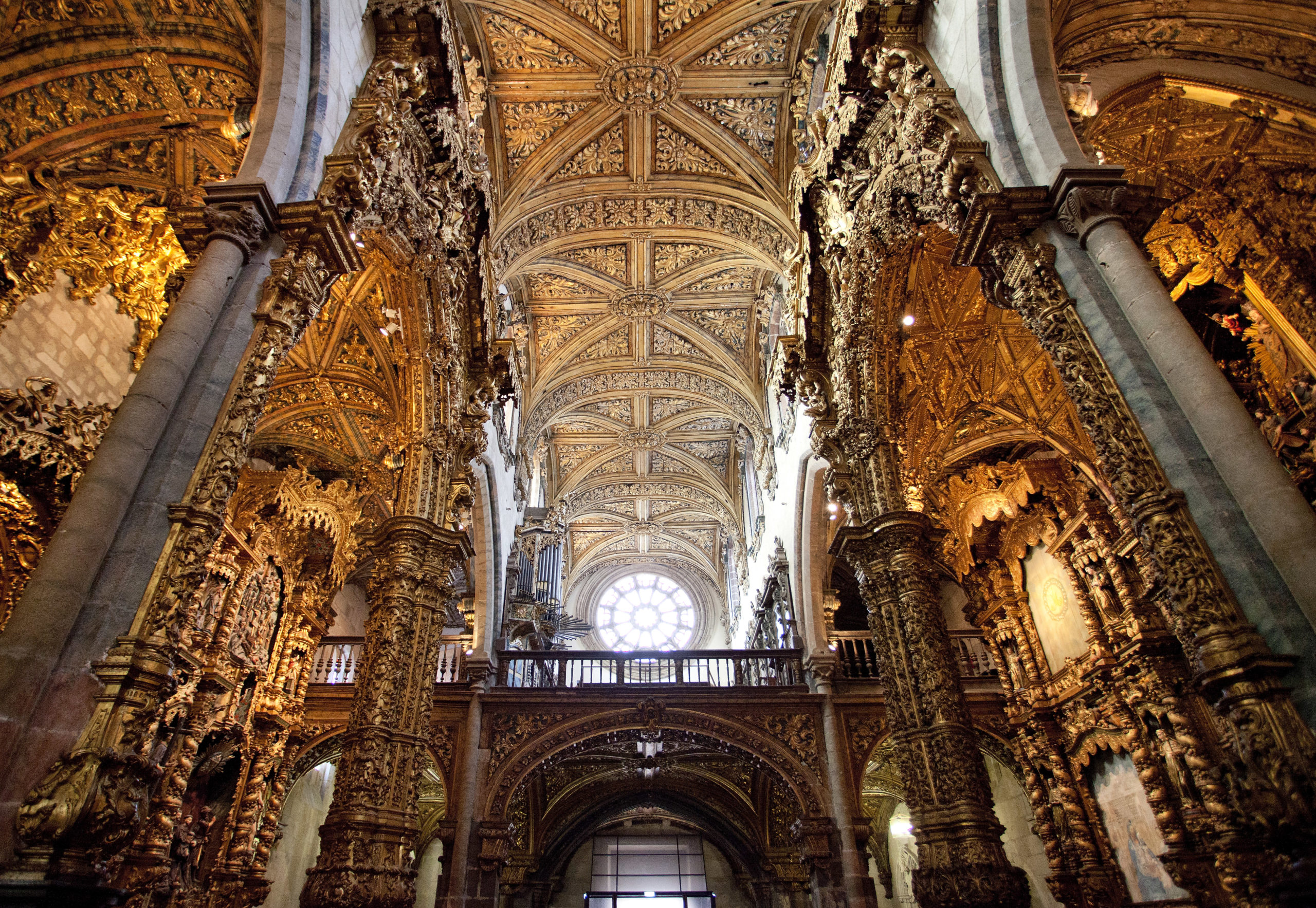
What makes São Francisco special isn't just its stunning golden interior — it's the 400 kilograms of Brazilian gold covering nearly every surface, telling the story of Portugal's colonial wealth and artistic ambition.
>> Get 25% Off Tickets to enter the Church
Table of Contents
- History: From Gothic Simplicity to Baroque Splendor
- What to See Inside: The Golden Interior
- Must-See Highlights
- The Catacombs and Museum
- Photography Tips
- Practical Information
- What to See Nearby
- Insider Tips
Key Takeaways
- Entry fee: €7.50 for church + catacombs + museum
- Best time: Early morning or late afternoon for fewer crowds
- Don't miss: Tree of Jesse, baroque altarpieces, catacombs
- Photography: Allowed inside (no flash)
- Duration: 45-60 minutes for full visit
History: From Gothic Simplicity to Baroque Splendor
The Franciscans began construction of Igreja de São Francisco in the 14th century, creating a simple gothic structure that reflected their order's commitment to poverty and humility. But history had other plans.
During the 17th and 18th centuries, Portuguese colonial wealth transformed this humble church into something extraordinary. Brazilian gold — tons of it — funded one of Europe's most spectacular baroque makeovers. Local artisans carved intricate wooden altarpieces, then covered them with gold leaf imported from Portugal's South American colonies.
The transformation wasn't subtle. Every pillar, every arch, every available surface received the golden treatment. By the time they finished, the church contained an estimated 400 kilograms of gold — a fortune that today would be worth millions.
This wasn't just decoration — it was a statement. Portugal wanted the world to know about its colonial wealth and artistic sophistication. The result is a church that feels more like a golden cave than a place of worship.
What to See Inside: The Golden Interior
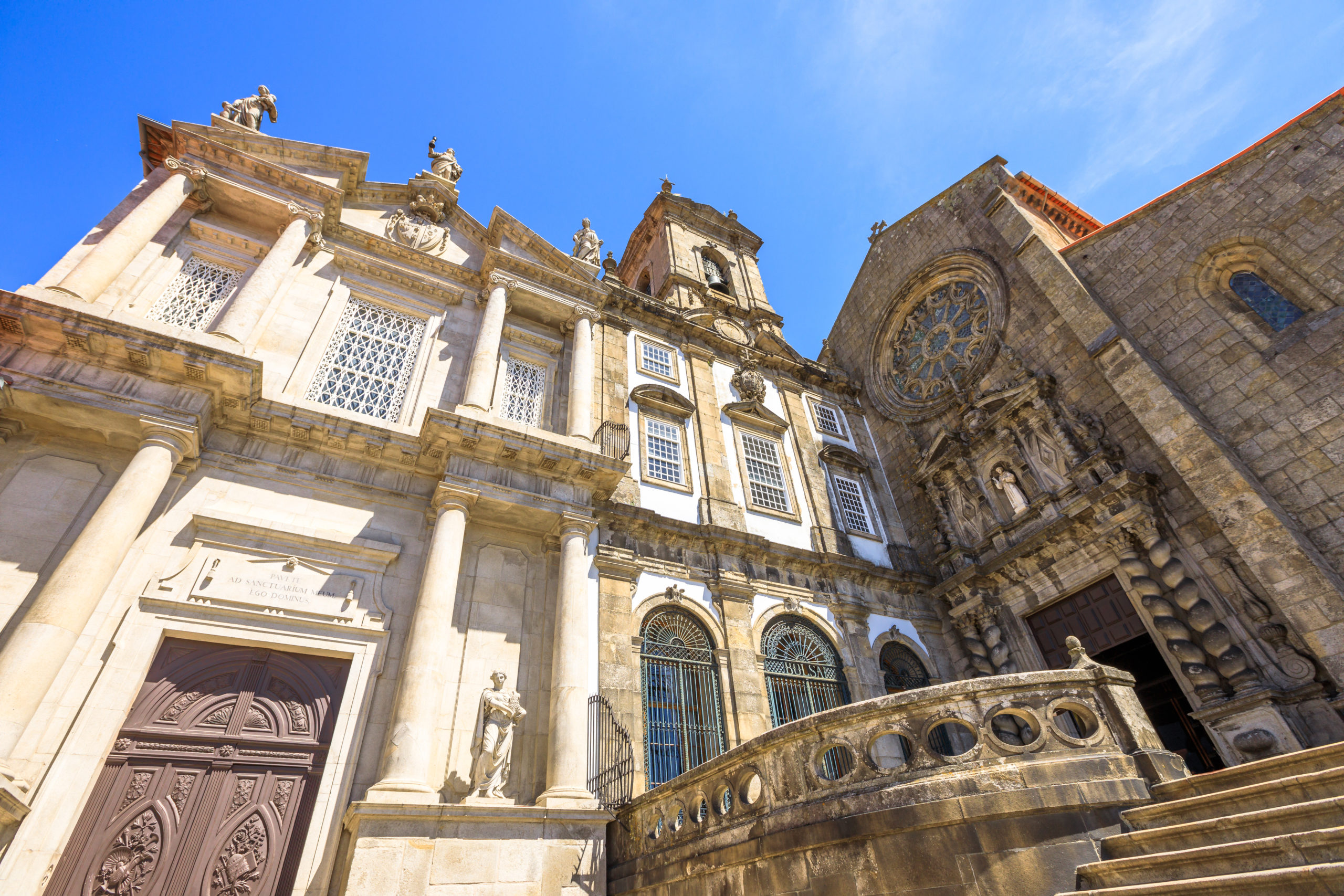
Walking into São Francisco is like stepping into a jewelry box. The contrast with the modest gothic exterior is intentionally dramatic — Franciscan humility on the outside, colonial opulence within.
The baroque altarpieces are the star attraction. Made from Brazilian jacaranda wood and covered in gold leaf, these intricate works tell biblical stories through carved scenes. Every angel, every flower, every decorative flourish gleams in the church's warm lighting.
The craftsmanship is extraordinary. Look closely and you'll see individual gold leaves applied by hand, a process that took local artisans decades to complete. The level of detail is overwhelming — from tiny carved cherubs to elaborate floral patterns that seem to grow from the walls.
Must-See Highlights
Don't try to see everything at once — São Francisco can be visually overwhelming. Instead, focus on these standout features:
The Tree of Jesse
The church's most famous artwork is the Tree of Jesse altarpiece, a masterpiece of baroque carving that traces Christ's genealogy through intricate golden branches. This isn't just art — it's storytelling in wood and gold, with each figure carefully positioned to tell the biblical narrative.
The Tree of Jesse took over 20 years to complete and represents some of the finest woodcarving in Portugal. Stand directly in front and look up — the perspective creates an almost 3D effect as the carved figures seem to emerge from the golden background.
The Rose Window
Above the main altar, the gothic rose window provides the only reminder of the church's original 14th-century architecture. The contrast between medieval stone and baroque gold creates a fascinating visual dialogue between two very different artistic periods.
Chapel of St. John the Baptist
Often overlooked, this side chapel contains some of the church's most delicate goldwork. The miniature baroque details here are incredibly intricate — bring your phone's zoom function to appreciate the tiny carved flowers and angels.
The Catacombs and Museum
Your ticket includes access to the underground catacombs, where wealthy Porto families were buried for centuries. These aren't creepy bone displays — instead, you'll find well-preserved burial chambers that tell the story of Porto's merchant families.
The catacombs stretch beneath the church and neighboring buildings, creating a underground network of burial chambers. Information panels explain the burial customs and social hierarchies of medieval and renaissance Porto.
The small museum displays religious artifacts, including ornate chalices, vestments, and manuscripts that once belonged to the Franciscan order. Don't rush through — some pieces here are as valuable as the church's golden decorations.
Photography Tips
São Francisco is Instagram gold (literally), but photographing the interior requires strategy:
Lighting challenges: The church is dimly lit to preserve the artwork. Your phone camera will struggle, so increase your ISO settings or use night mode. Professional cameras should use a tripod if possible.
Best angles: Stand at the back of the nave and shoot toward the main altar — this captures the full golden spectacle. For detail shots, focus on individual altarpieces rather than trying to capture everything.
Crowd management: Visit early morning (9-10 AM) or late afternoon (4-5 PM) for fewer people in your shots. Tour groups typically arrive mid-morning and early afternoon.
No flash policy: Flash photography can damage the gold leaf and wooden carvings. The natural lighting creates better atmosphere anyway.
Practical Information
Tickets and Pricing
Adult tickets: €7.50 (includes church, catacombs, and museum)
Students/seniors: €6.00
Children under 12: Free
Porto Card holders: 20% discount
Buy tickets at the entrance — no advance booking required. Cash and cards both accepted.
Opening Hours
November to February: 9:00 AM – 5:30 PM
March to October: 9:00 AM – 7:00 PM
Sundays: 9:00 AM – 5:30 PM (year-round)
Closed: December 25, January 1
Last entry is 30 minutes before closing. Allow 45-60 minutes for a thorough visit including catacombs.
Location and Access
Address: Rua do Infante Dom Henrique, 4050-297 Porto
The church sits in Ribeira, Porto's historic riverside district. It's walkable from most city center hotels and easily accessible by public transport.
By Metro: São Bento station (5-minute walk) or Aliados station (10-minute walk)
By Tram: Line 1 to Infante stop
By Bus: Multiple routes stop near Praça do Infante Dom Henrique
What to See Nearby
São Francisco's location in historic Ribeira puts you within walking distance of Porto's top attractions:
Palacio da Bolsa (next door): The former stock exchange shares a wall with São Francisco. Their combined visit makes perfect sense — you can see both in 2-3 hours.
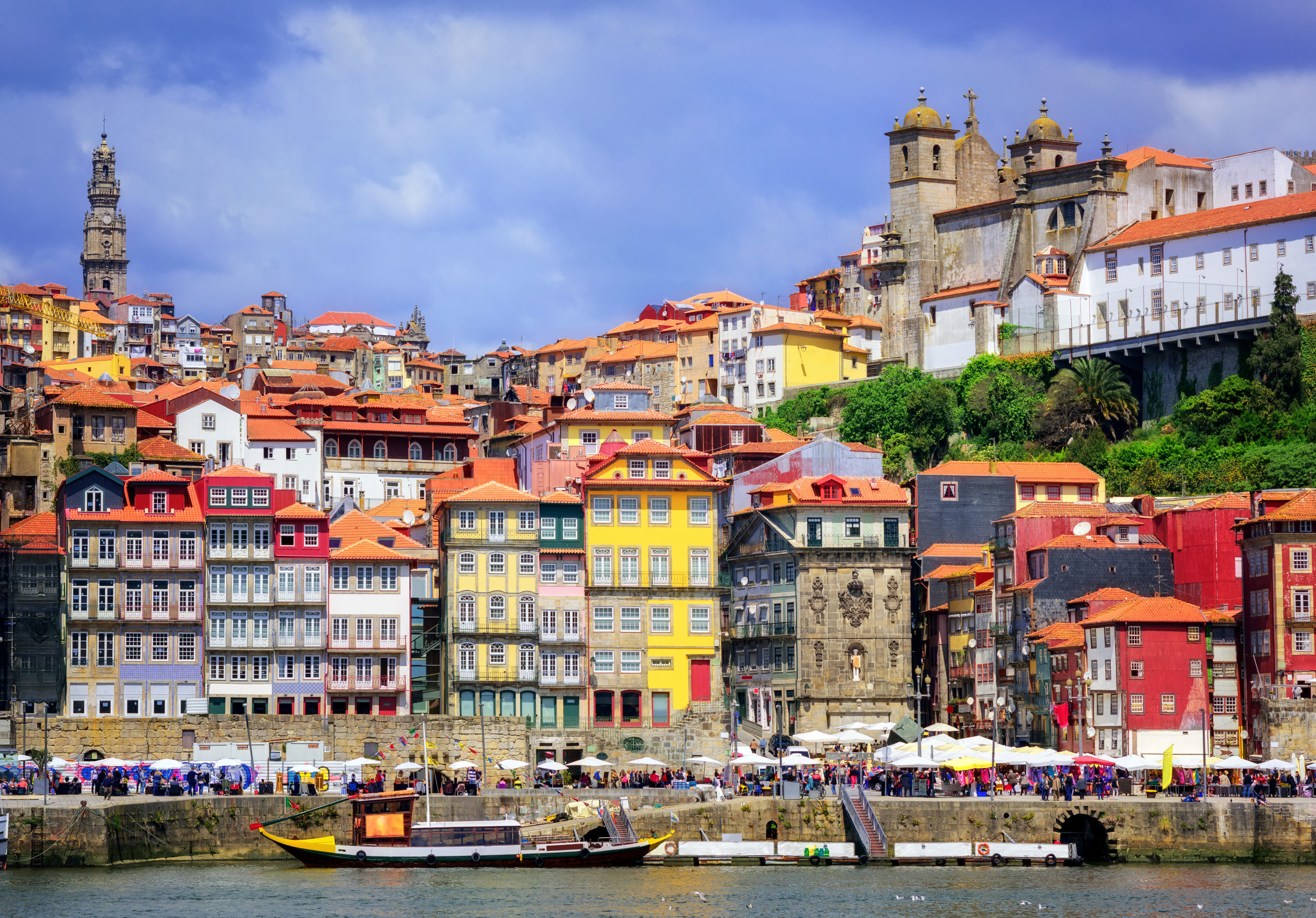
Ribeira waterfront (2 minutes): Walk down to the Douro River for restaurants, cafes, and river cruises. The contrast between São Francisco's golden interior and Ribeira's colorful buildings is striking.
Dom Luis I Bridge (5 minutes): The famous double-deck bridge is visible from São Francisco's entrance. Walk there for classic Porto photos.
Casa do Infante (3 minutes): The supposed birthplace of Prince Henry the Navigator contains archaeological remains and historical exhibits.
Insider Tips
Combine with Palacio da Bolsa: These neighboring attractions complement each other perfectly. São Francisco shows religious baroque art, while Palacio da Bolsa displays secular opulence.
Visit during Mass: The church still holds regular services. Attending Mass (usually Sunday mornings) gives you a different perspective on this space as a working church, not just a tourist attraction.
Bring a jacket: The stone interior stays cool year-round. Even on hot summer days, you'll appreciate a light layer inside.
Audio guide alternative: Skip the paid audio guide and use the free information panels in Portuguese and English. They provide plenty of detail without the extra cost.
Early bird advantage: The first hour after opening (9-10 AM) offers the best combination of good lighting and minimal crowds. This is especially valuable for photographers.
Local context: São Francisco represents the peak of Portugal's colonial wealth. Understanding this historical context makes the golden interior more meaningful than just pretty decoration.
Why São Francisco Matters
Beyond its obvious visual impact, Igreja de São Francisco tells an important story about Portuguese colonial history and artistic achievement. The gold covering these walls came from Brazilian mines worked by enslaved people — a reminder that beauty and injustice often intertwine in history.
But it's also a testament to Portuguese artistic skill. Local craftsmen took Brazilian materials and created something uniquely Portuguese — baroque art that rivals anything in Rome or Vienna.
Today, São Francisco serves as both tourist attraction and active church, bridging Porto's medieval past with its colonial wealth and modern identity. It's a must-see not just for its beauty, but for its role in understanding Porto's complex history.
Plan at least an hour here — you'll leave with a new appreciation for baroque art and a camera full of golden photos that capture one of Europe's most spectacular church interiors.
More to see in Porto
Places to visit next to the Church of San Francisco
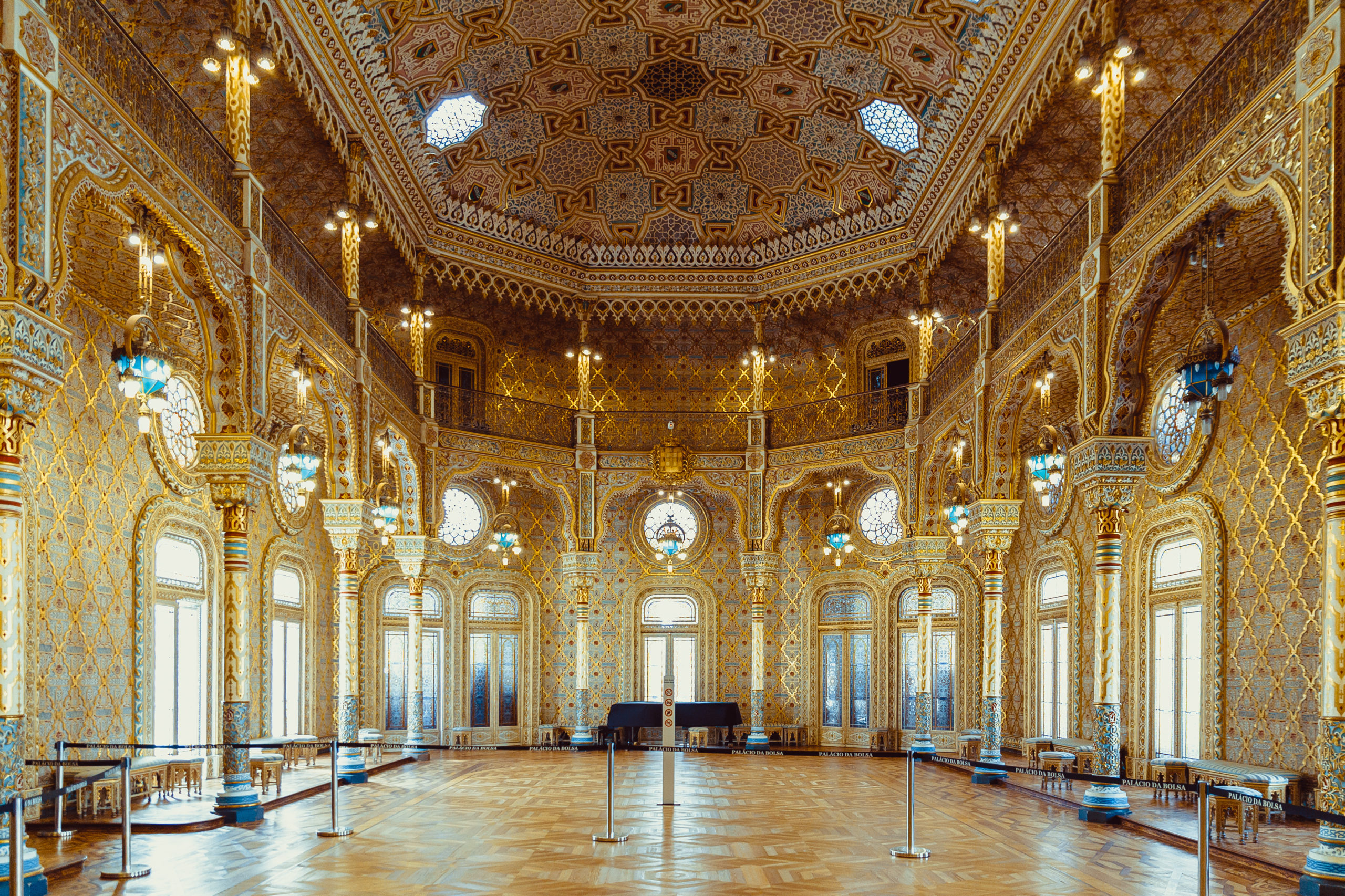
The Palacio da Bolsa
A palace built in 1842 with a beautiful Arab hall. Next to the Church of San Francisco.
The Ribeira
The Ribeira is located next to the Church of San Francisco. It is the most picturesque area of Porto.